AI
What AI is actually changing about events
Most of what AI does for events will be invisible to the people in the room. That is exactly why organisers should pay attention to it.
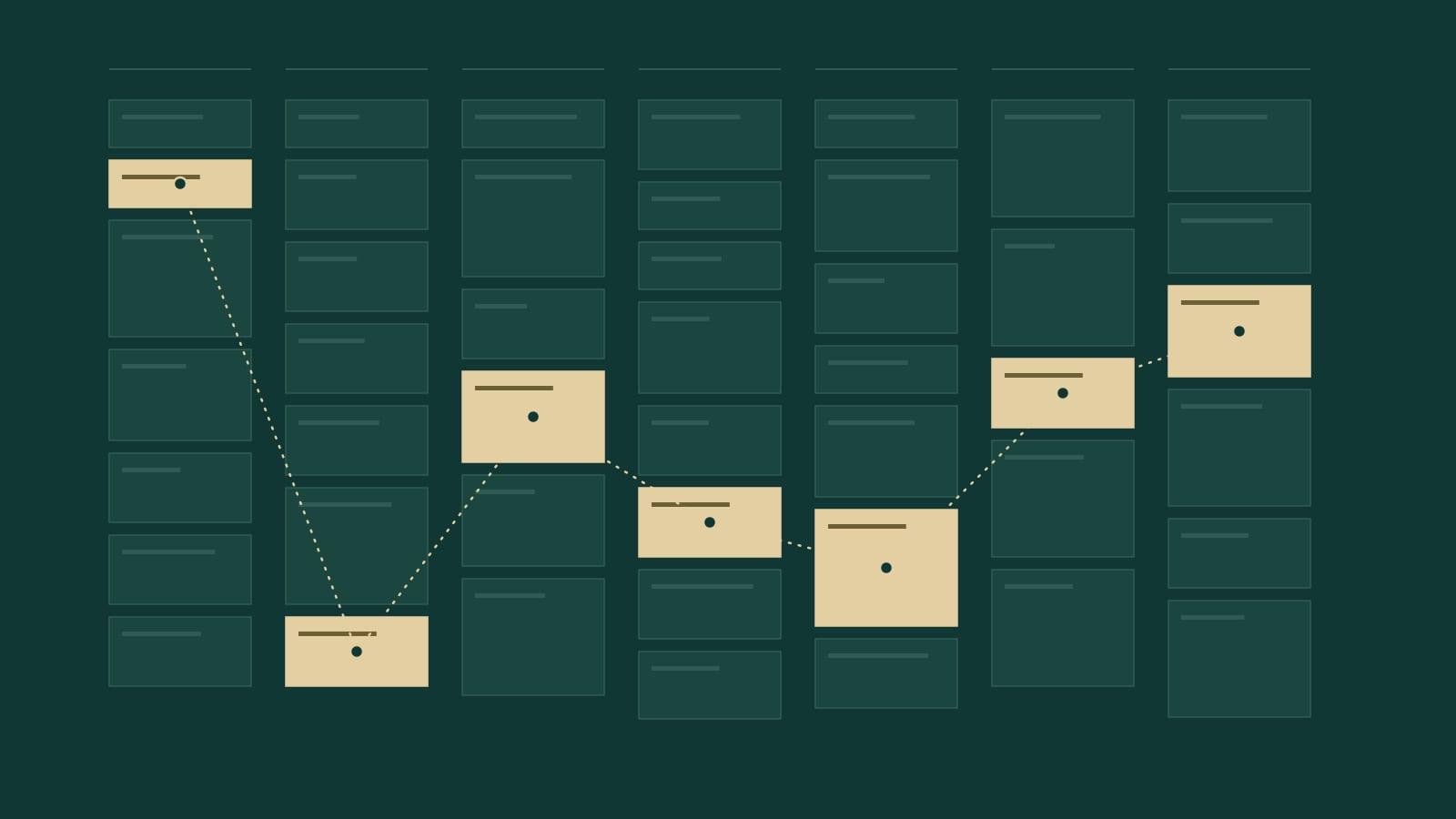
It is one in the morning, two days before the opening session, and a keynote speaker has just cancelled. Somebody on the programme team has to move four sessions, rebook a room, tell three moderators and warn several hundred people who had the keynote saved in their schedule.
Writing the announcement is the easy part. Any AI tool will draft it in seconds, in five languages, with a polite apology. The hard part is knowing exactly who is affected and making sure that the room, the time and the speaker list are correct everywhere they appear.
That small scene explains most of what AI means for the events industry right now. It is very good at the words. It depends completely on the data underneath them.
The dull work goes first
The first real changes are not glamorous, and that is a good sign. They are the jobs nobody put on a conference brochure.
Speaker bios arrive in every possible format and length. Session descriptions need tagging so people can filter the programme. Recordings need transcripts, transcripts need summaries, and an international audience needs all of it in more than one language. Live captions used to be a budget line that got cut first. Now they are close to a default.
None of this replaces the programme team. It removes the part of their week that was copying, pasting and reformatting. On an event with three hundred sessions, that is a lot of evenings returned to people who would rather spend them deciding what the programme should actually say.
There is a catch, and it comes up again and again. A summary of a session is only useful if it is right. A translated room name that nobody checked can send people to the wrong floor. Somebody still has to read things before they go out under the event’s name.
Matchmaking gets less awkward
Anyone who has used an older event matchmaking tool knows the experience. You pick five interests from a dropdown, the system matches you with forty people who also picked “innovation”, and you ignore all of them.
Language models are much better at reading what people actually wrote about themselves: the problem they are working on, the kind of partner they are looking for, the session they asked a question in. Suggestions can come with a reason a human would recognise, such as “you both run procurement for public health programmes”, instead of a percentage.
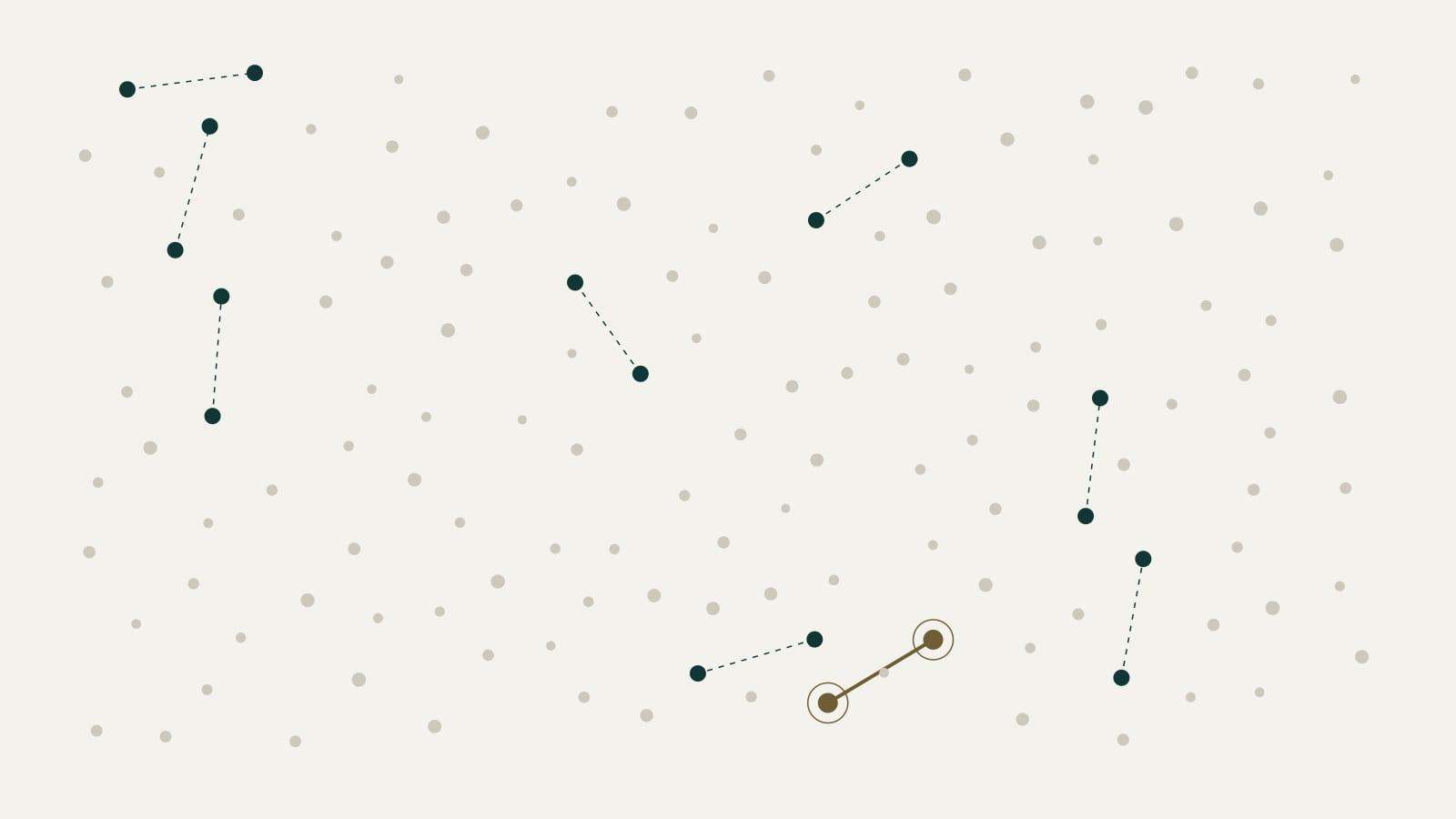
That only works with consent. People should decide whether they are visible, what can be used to suggest introductions and whether they want suggestions at all. A meeting request feels very different when the recipient knows why it arrived, and very uncomfortable when they cannot work out how a stranger found them.
The best introductions still need a reason to happen. AI can make the shortlist shorter. It cannot make two people want to talk.
The attendee assistant is only as honest as the programme
The obvious idea is a chat assistant in the event app. Ask where your next session is, which sessions cover a topic or where to find a sponsor, and get an answer immediately.
It can be genuinely useful. It can also be a confident liar. If a room change was made in a spreadsheet but never reached the system the assistant reads from, it will send people to the old room with complete conviction. A wrong answer delivered politely is worse than no answer, because people trust it.
This is why the boring infrastructure matters more than the model. One source for the programme, one source for the venue, changes that appear everywhere at once. Get that right and the assistant is a convenience. Get it wrong and you have automated the confusion.
What AI cannot do
I have sat through many predictions that technology would make travelling to events unnecessary. The opposite keeps happening.
When content becomes cheap, plentiful and available on any screen, the things that cannot be copied gain value. The conversation in the queue for coffee. The dinner where two competitors discover they have the same problem. The speaker who stays twenty minutes after the session because the questions were better than the talk.
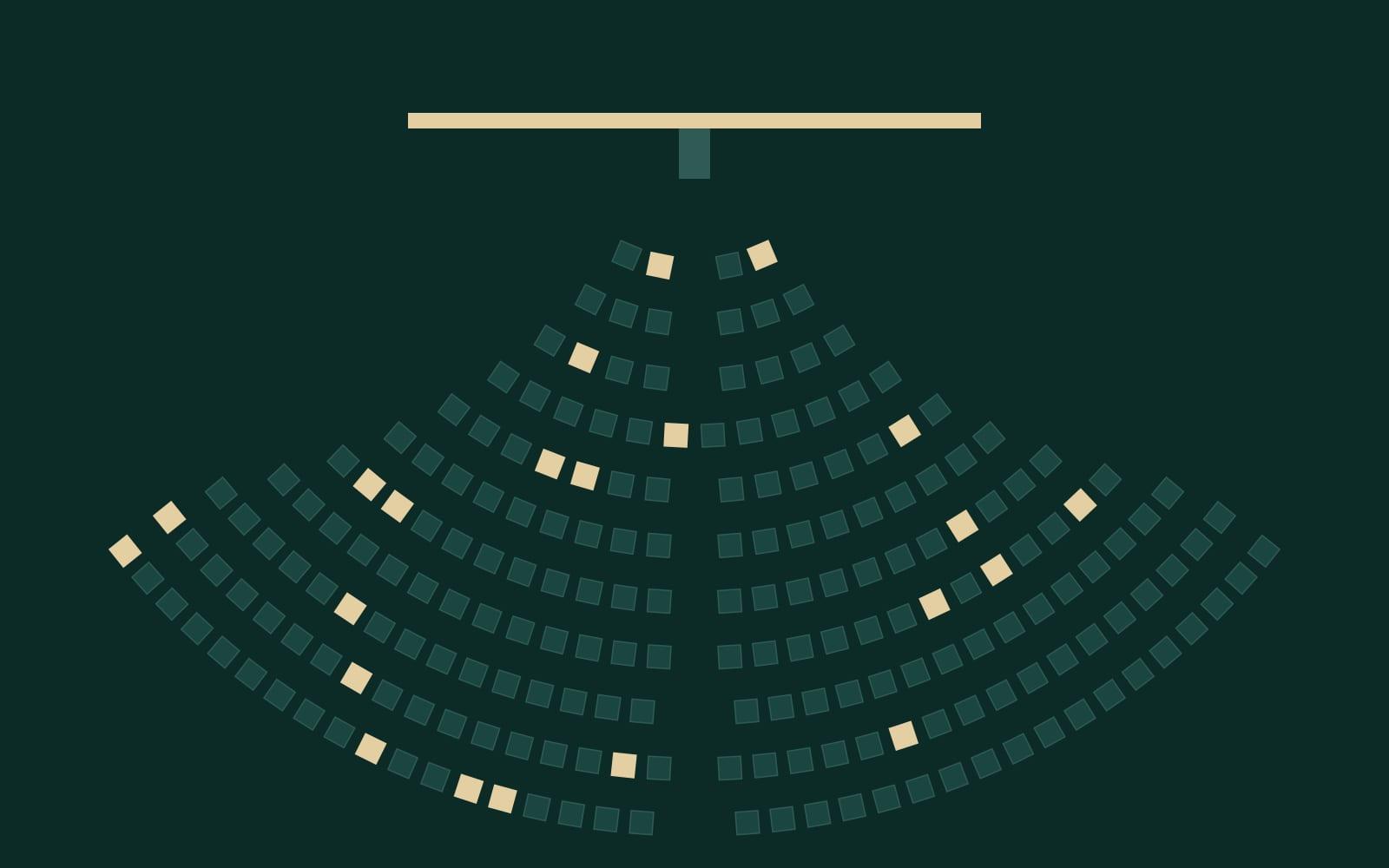
AI will produce more recaps, more highlight clips and more summaries than anyone can watch. That makes the room itself the scarce part of an event. Organisers who use AI to remove friction around the room, rather than to replace it, will be the ones people keep coming back to.
Data, consent and restraint
Events collect a great deal of information: registrations, badge scans, session attendance, meeting requests, app activity. AI makes it far easier to do things with that data, and some of those things are a bad idea.
Analysing which sessions filled up and which emptied halfway is reasonable. Building detailed profiles of individual attendees to sell to sponsors is not, and in many jurisdictions it is not legal either. The line is usually simple to find if you ask how an attendee would feel reading a plain description of what you did.
Tell people what is being used and why. Give them a real choice. Keep less than you could. That restraint is also good business: trust is hard to rebuild once a community feels it has been mined.
Where I would start
If I were planning next year’s event, I would not start with a list of AI features. I would start here:
- Get the event data into one place. Programme, speakers, rooms and attendees, with one version of each.
- Pick two jobs, not ten. Translation and session summaries are a sensible place to begin. Measure the hours they save.
- Keep a person on anything public. Announcements, translations and summaries go out under the event’s name. Someone reads them first.
- Explain it to attendees. If suggestions or an assistant are part of the app, say what they use and how to switch them off.
- Judge it at the next edition. Fewer questions at the information desk and more meetings that actually happened are better signs than a feature list.
The well organised get better
AI does not fix a disorganised event. It amplifies whatever is already there. A programme kept in five spreadsheets becomes five spreadsheets with a chatbot on top. A programme kept in one place, updated once and published everywhere, becomes something an assistant can answer questions about without making things up.
The events that benefit most will be the ones that were already careful with the basics. For them, AI is mostly time given back, and time is what every programme team runs out of two days before opening.